

The Art of Mixing Textures in Your Home
Mixing textures is a powerful design strategy that adds depth and personality to any space. By combining different materials, finishes, and fabrics, you introduce visual richness and warmth to a room. For example, pairing smooth walls and sleek furniture with soft textiles like a chunky knit throw instantly makes the space feel more welcoming. In short, thoughtful texture mixing can transform a flat, two-dimensional room into a layered, three-dimensional haven.
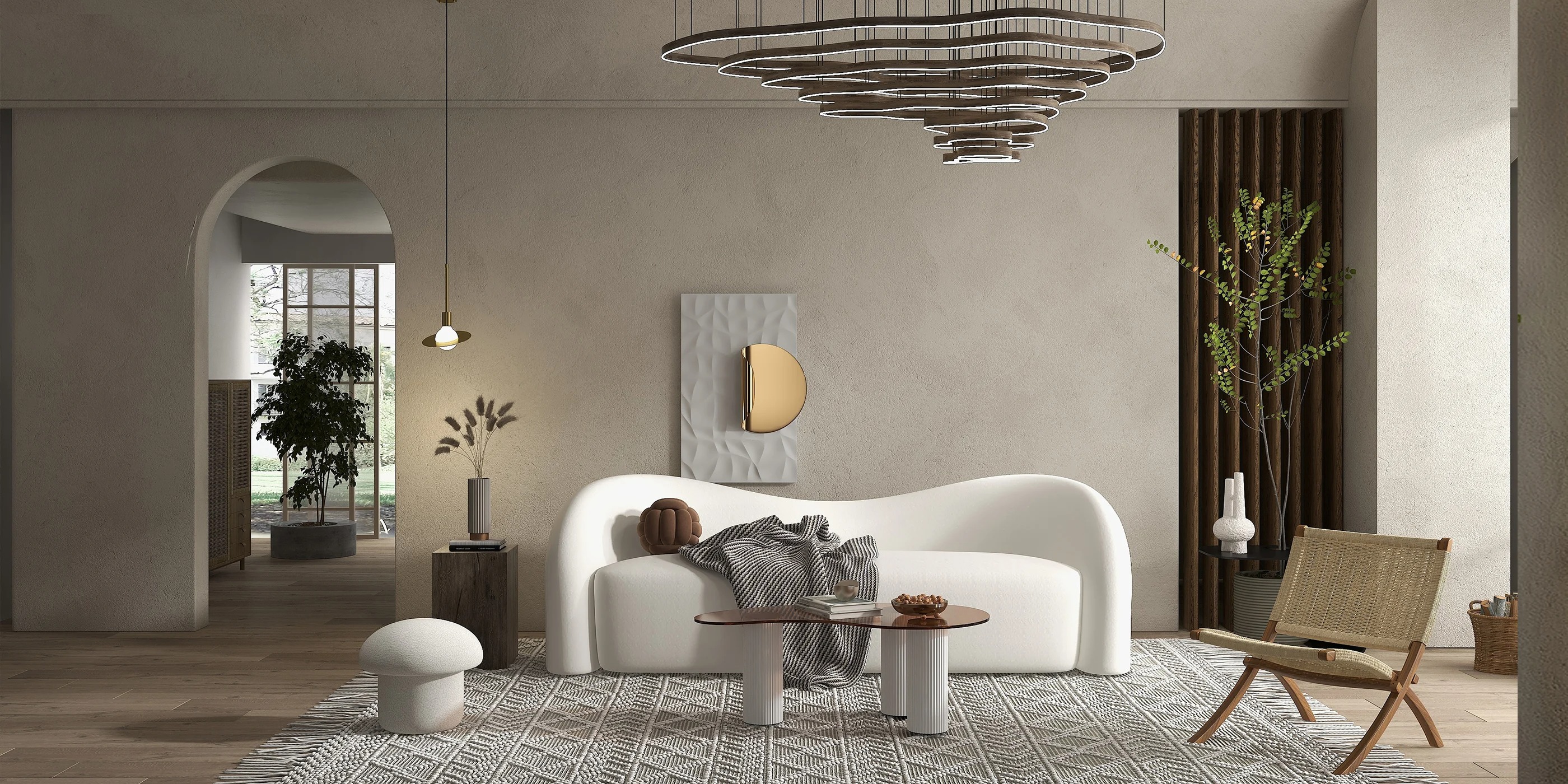
Benefits of Mixing Textures
- Adds Depth and Dimension: Layering varied textures prevents monotony. A mix of matte and glossy, rough and smooth surfaces gives a room visual complexity and makes it feel more complete.
- Enhances Visual Interest: Contrasting textures create eye-catching focal points. For instance, a rough-hewn wood surface next to polished metal draws attention and keeps the design engaging.
- Creates Balance: Combining soft with hard, or light with dark textures, establishes harmony. A room filled only with one texture (e.g., all smooth surfaces) can feel cold or overwhelming, but mixing in cozy fabrics or natural materials restores balance.
- Invites Comfort: Soft, tactile materials—like wool rugs, velvet cushions, or woven throws—make a space feel inviting. Touching these contrasts with harder textures (stone, glass) and evokes warmth and coziness.
- Easy Refresh: Swapping out pillows, blankets, or décor items is an affordable way to layer new textures and instantly update a room’s style.
Common Combinations
A wood-and-metal coffee table anchors this space, blending natural warmth with industrial edge for a layered look. A classic pairing is wood + metal: combining a wooden tabletop with metal legs or accents marries organic warmth and sleek coolness. For example, a Wood & Metal Coffee Table placed next to a plush sofa sets a balanced foundation of soft and hard textures. Similarly, velvet + linen contrasts plush and crisp fabrics: a velvet cushion on a linen sofa feels luxurious yet relaxed. Other tried-and-true mixes include smooth glass + rough wood (a glass coffee table over a reclaimed wood rug) or marble + wood to blend natural and refined elements. Even leather + fabric works well: think a leather armchair with a wool or cotton throw for a cozy touch. In all cases, the goal is to balance tactile differences (soft vs. hard, matte vs. glossy) to create a cohesive, interesting scheme.
- Wood + Metal: A rustic oak table top paired with a black iron frame, as seen in the image above, ties warm wood grain to an industrial look.
- Velvet + Linen: Plush velvet on a neutral linen sofa offers a soft-on-soft feel with visual contrast.
- Smooth + Rough: Glossy glass or polished stone alongside raw wood or woven fibers creates a striking juxtaposition.
- Natural + Synthetic: Mixing organic materials (wood, wicker) with engineered ones (acrylic, vinyl) adds interest while serving practical needs (durability in high-traffic areas).
Room-by-Room Examples
- Living Room: Start with a solid focal piece (like a leather sofa) and layer textures around it. Toss wool or velvet pillows and a knit throw onto the couch, and anchor the space with a textured area rug. A Leather & Fabric Sofa (e.g., leather seats with fabric cushions) against a textured wood or plaster wall adds contrast. Top the coffee table with metal decor or a wooden tray for additional texture. The key is to balance elements: for instance, a reclaimed-wood dining table paired with sleek metal chairs shows the same principle.
- Bedroom: Layer bedding for maximum comfort. Use soft cotton sheets under a chunky wool blanket, and add a faux-fur or velvet throw at the foot of the bed. Mix fabric textures in pillows (linen, knit, satin) and let a jute or shaggy rug peek out from under the bed. These soft layers make the room feel cozy and ensure the bedroom isn’t visually flat.
- Kitchen/Dining: Combine smooth and rough surfaces. For example, pair a sleek stone countertop or tile backsplash with warm wood cabinetry. In dining, a wooden table with metal legs (or vice versa) is popular. You can also mix textured dinnerware (like matte ceramic plates) with polished stainless steel appliances. The contrast of cold metal and warm wood adds dimension to utilitarian spaces.
- Bathroom: Texture mixing here is often done with tile and accessories. Matte subway tile with glossy accent tile, or a stone vessel sink atop a wooden vanity, keeps the space from feeling sterile. Soft towels or a woven basket for toiletries introduce warmth against hard surfaces. Even a simple bath mat can add a cushioned texture underfoot.
By thoughtfully layering contrasting materials throughout the home, you create spaces that feel rich and personalized. Mixing textures isn’t about following rigid rules but about balancing elements to suit your style. Don’t hesitate to experiment – the right combination of wood, metal, fabric, and more can make any room inviting and visually dynamic.
Recommended Products: A Wood & Metal Coffee Table anchors a cozy living room, while a Leather & Fabric Sofa blends sleek and soft for a layered look.