

Creating a calm, inspiring study space is one of the simplest ways to support how to improve kids' focus at home. A child’s environment plays a huge role in how well they learn, how motivated they feel, and how easily they develop healthy habits for kids that stick.
Whether you have a full extra room or just a small unused corner, you can create a positive learning environment that helps kids feel safe, calm, and eager to explore.
1. A Little Corner Goes a Long Way
You don’t need a big house to build a kid-friendly study zone. With a few thoughtful pieces, you can turn even a tiny corner into a warm learning nook:
- A soft rug
- A couple of big, snuggly floor cushions
- A mini bookshelf or magazine rack
- A gentle reading lamp
Together, these create a cozy space where kids can read, relax, and learn at their own pace — exactly the kind of atmosphere that naturally promotes how to improve kids focus without pressure.
Let your child take part in designing the space. Kids love choosing their own pillow colors, arranging books, or decorating walls with drawings. That sense of ownership helps them feel proud of the space and makes daily reading or studying feel like something fun, not forced.
If you enjoy crafting, simple materials like cardboard or peel-and-stick decals can completely transform a blank wall and brighten your child’s reading corner. A cheerful background often boosts mood and motivation instantly.
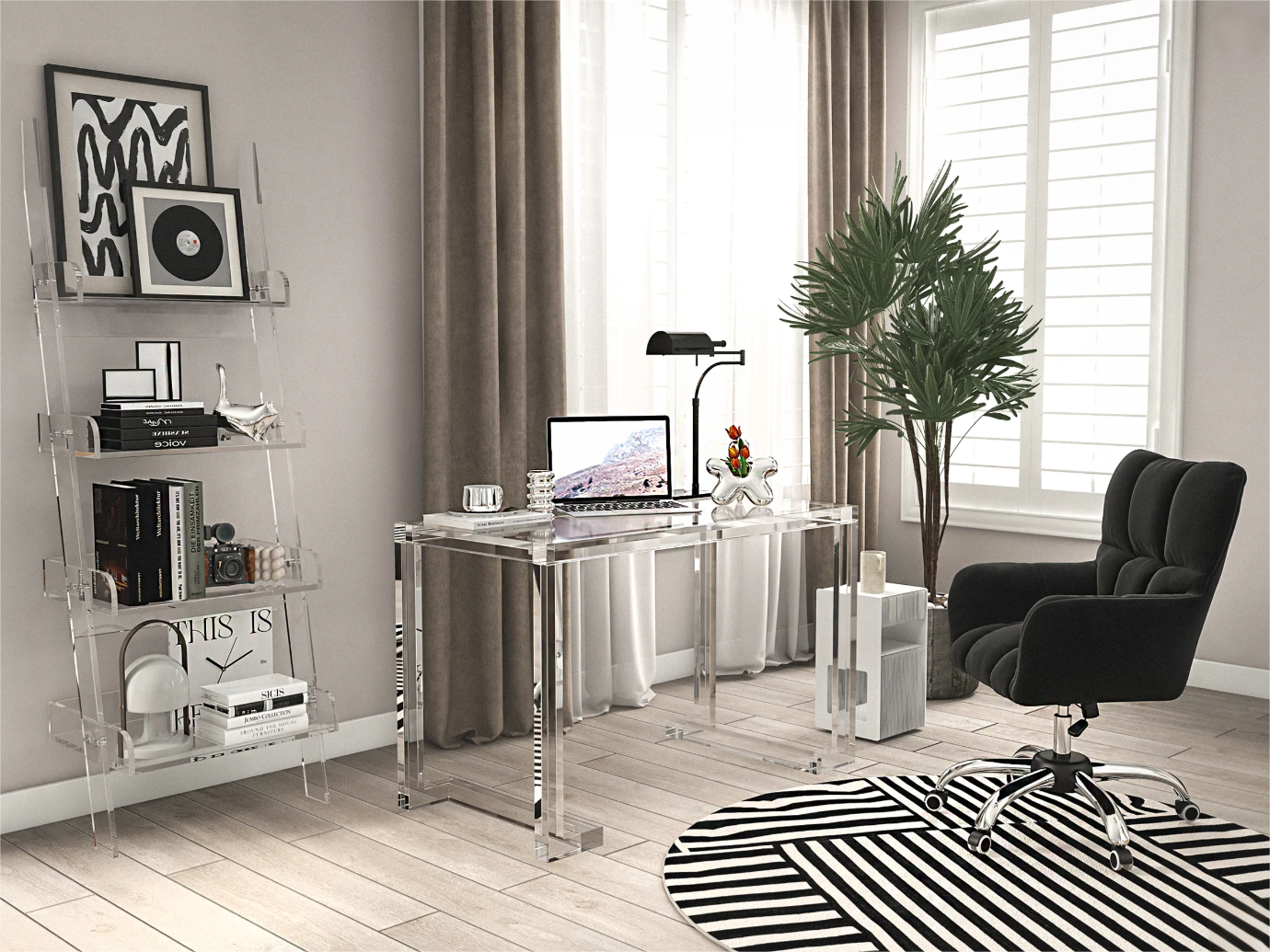
2. Invest in Kid-Friendly Study Furniture
A functional learning space also needs furniture designed specifically for children’s growing bodies and study habits. Kids spend a lot of time reading, writing, and exploring, so the setup should do more than simply fill a room — it should help them stay comfortable and focused. When the desk and chair fit well and support proper posture, kids can learn without strain or distraction, building long-lasting healthy habits for kids that make study time feel easier and more enjoyable.
A. Choose the Right Desk
Since kids use their desks daily, both the design and the function matter. A great children’s desk can help them stay focused longer, transition into “study mode” more easily, and build better writing routines.
Look for desks with:
- Adjustable height — to grow with your child.
- Tilt-adjustable desktop — different angles for writing, reading, or memorizing.
- Safe corners and anti-pinch features — kids are active and curious, so safety is key.
- Durable, eco-friendly materials — scratch-resistant and stable.
- Ergonomic chair pairing — adjustable seat and back support.
B. Bookshelves Kids Can Actually Use
A good bookshelf doesn’t just store books — it encourages kids to explore them independently. The best child-friendly shelves are:
- Low in height
- Highly visible
- Stable and tip-resistant
- Easy for kids to reach
Once kids can grab books on their own, reading naturally becomes a self-guided adventure.
C. Don’t Skip the Study Lamp
Lighting can completely change how comfortable and successful a child feels when studying. Choose a lamp that:
- Provides soft, eye-friendly light
- Avoids harsh beams in their eyes
- Has adjustable brightness
- Uses outlets and sockets that are child-safe
Good lighting is essential for building a positive learning environment, especially as kids spend more time reading and writing.
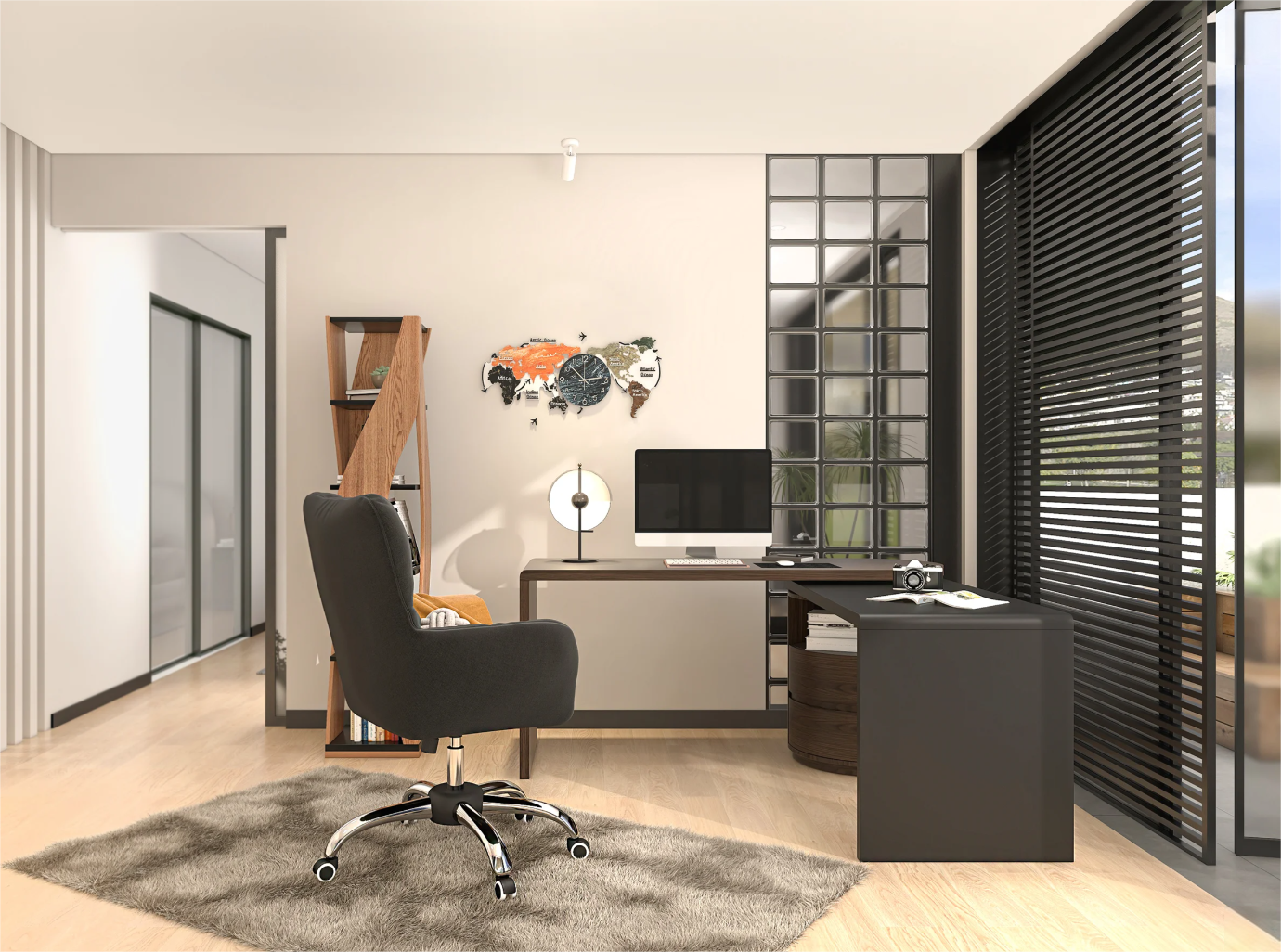
3. If You Have the Space — A Dedicated Study Room Works Wonders
A dedicated room helps kids automatically associate the space with learning. Over time, they’ll build a routine: step inside → settle down → focus. It’s one of the easiest ways to support how to improve kids focus without constantly reminding or nagging.
But here’s a rule many parents overlook:
Never discipline your child in the study room.
If kids start associating the space with punishment, they’ll feel anxious every time they walk in. Instead:
- Encourage, support, and praise inside the room
- If you must address misbehavior, step out first
A study room should always feel like a place of confidence, curiosity, comfort, and growth — a space where kids feel proud and motivated, not pressured.
Whether you’re creating a tiny reading corner or a full study room, the goal is the same: build a space where kids feel inspired, calm, and capable. With thoughtful furniture choices, cozy design elements, and the right atmosphere, you’ll naturally support healthy habits for kids, better focus, and a truly positive learning environment they’ll enjoy every day.