

There’s nothing worse than spilling something or lifting up your glass and discovering that you’ve got an unsightly water stain looking back at you. Water stains are a very common issue, but thankfully, a stain doesn’t mean the end of your furniture.
Most of the time, water stains are relatively simple to get rid of yourself, and you can enjoy your new-looking furniture again. Even if you have a particularly stubborn stain, by trying a few different methods, you can usually clean it right up with a bit of persistence.
Here’s a look into what water stains are and, more importantly, how to remove water stains from wood furniture.
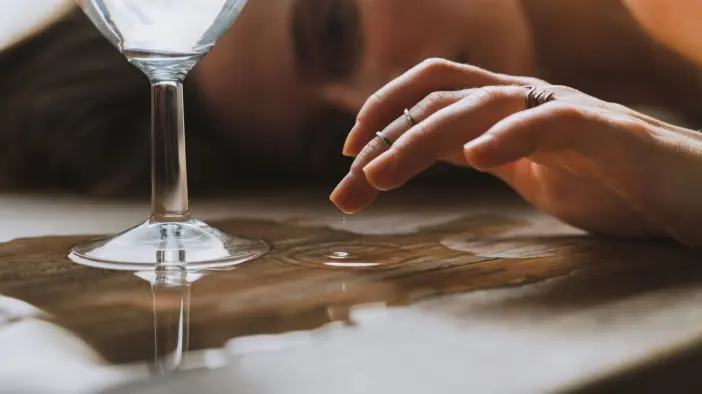
Table of Contents
What Causes Water Stains on Wooden Furniture
Why do water stains happen in the first place? Most water stains, especially on furniture like this wooden side table, happen because of spilled liquid or condensation from a glass left on the bare wood. It’s frustrating when this happens, especially if you don’t notice for a while and can’t clean it up right away.
Water stains can also happen if wood furniture is left outside or in a damp area for a long time. This is usually what causes large, unsightly stains and rings that you’re probably most desperate to get rid of.
There are two types of water stains that you might notice. The most common type of stain is the light water stain, which looks like a pale or cloudy mark on the surface of the wood. The other stain you can get is a dark water stain, or a tannin stain. This looks like a black or dark brown ring.
Light water stains
Light water stains are the most common and the easiest type of water stain to get rid of.
Wood furniture is typically treated with a layer of wax, and sometimes a stain. This protects the wood and keeps it looking nice. If water gets into this protective layer of wax, it can go cloudy, forming a white water stain. Thankfully, this is just on the surface of the wood and is usually easy to get rid of.
Tannin stains
Dark water stains happen when the water penetrates the wood itself. Wood contains tannin, which reacts with moisture to create a darker stain. Because this is a deeper issue, it can be more difficult to get rid of than a light water stain.
Thankfully, “more difficult” doesn’t mean impossible. You can usually reverse this process, and your wood furniture will be just fine.
Myths and Bad Advice
As with anything, there’s a lot of bad advice out there. Some of these are actual methods for removing water stains, but they often come with a measure of risk. In general, you always want to test a product or method on a small, unnoticeable part of wood first to make sure it doesn’t discolor it. Wood is a natural material and, while this is great for restoration, it does mean it can be a bit unpredictable if you don’t know what you’re doing.
These ideas for how to remove water stains from wood furniture either don’t work or can cause damage if you’re not careful.
Rubbing alcohol
Rubbing alcohol is sometimes offered as a solution to water stains because the alcohol causes the water in the wood to evaporate. It can work, but the problem is that it’s very harsh on the wood and can cause damage while getting rid of the water. There are better and safer solutions for removing water stains.
Cooking oils and fats
Another popular method is to use oil or mayonnaise. The idea behind this is to rehydrate the wood itself to displace the stain. The problem is that the fats can continue to be absorbed into the wood long after you want it to be, potentially causing a grease stain.
Instead, use oils and fats designed for wood furniture.
Baking soda and toothpaste
Using a combination of baking soda and toothpaste is a common trick for stains. It causes a chemical reaction that slightly bleaches the surface of the wood. If you’re not careful, this can cause a light water mark to become even lighter and even more obvious.
Modern Wood Furniture Vs Old Wood Furniture
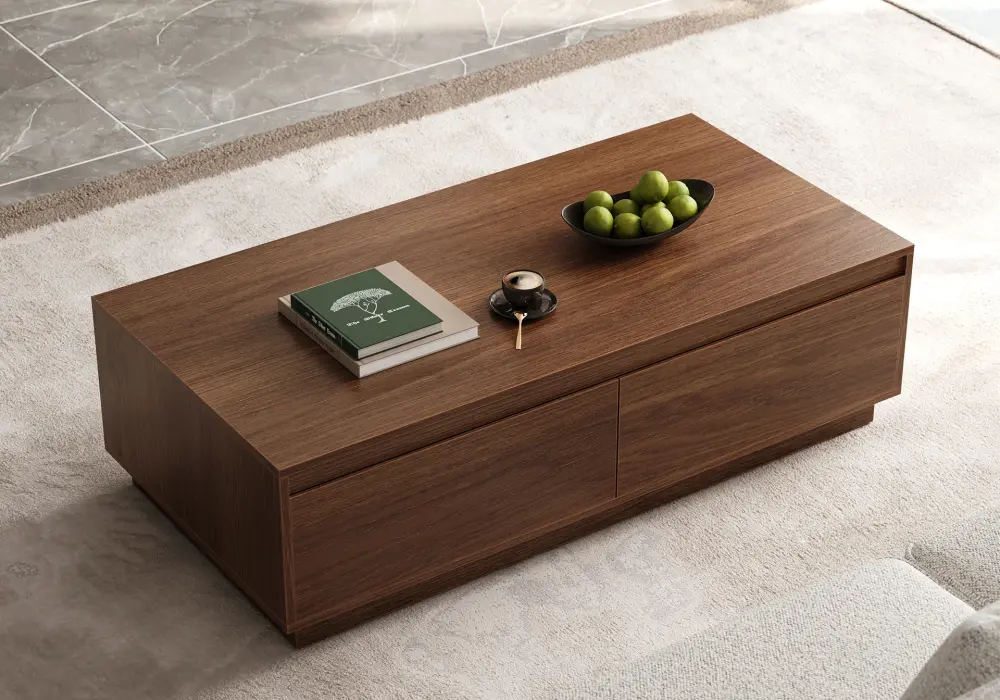
It’s important to note that you should treat modern wood furniture, such as this mid-century walnut coffee table, differently to antique wood furniture.
Antique wood furniture is often more delicate and can’t stand up to some of the same treatment as modern wood furniture. If in doubt, consider hiring a professional to deal with stains on older wood furniture.
As for modern furniture, while you should still be careful not to damage the wood, you can do more with it to potentially remove the stain yourself. With that in mind, here’s how to remove water stains from wood furniture.
Methods to Try for Light Water Stains
While a light water stain is minor, it can still look unsightly. These are often associated with stains left from glasses or cups that have been put directly onto the surface, but you can also get larger light water stains from spills or damp areas.
These methods work best for light water stains, and might not be as effective for dark tannin stains.
The heat method
You don't necessarily need to use any products for light water stains. If you have an iron and a towel or cloth, you might be able to get rid of the stain.
Simply put the cloth or towel on the furniture to protect it from the heat and press a hot iron against it.
You don't want to risk burning the wood, which is why you want a cloth or towel. You also shouldn't leave it on there too long, only a few seconds should do. You can repeat this process a few times, giving the wood time to cool down. This will evaporate the water trapped in the wax and restore the wax to its usual clarity, getting rid of the stain.
This is one of those tricks that you don't want to risk using on delicate antique wood.
Turpentine stain removal products
One of the most obvious options is to use a specialist stain removal product. Most of the more effective stain removal products contain turpentine, which can get rid of the stain without damaging the wood underneath.
Always check the instructions of the product you use and follow them. Most of the time, they'll suggest testing the product on a small, unnoticeable part of the wood first so you can make sure it doesn't cause any damage. You also don't want to leave any products on your wood furniture for too long as this can cause more harm than good.
There's nothing wrong with having to try a product a few times before the stain fully goes away.
Beeswax and polish
Beeswax is a wonderful material. It's great for furniture restoration of all sorts, and can work well for wood and leather furniture alike. Essentially, it's a natural material's best friend.
Unlike food oils, beeswax won't have an unpleasant smell over time. In fact, it smells really nice. Some beeswax products also contain turpentine, making them even better for removing water stains from wood furniture.
Sometimes, waxing alone can remove the water stain. It'll also make the wood look much nicer and add a protective layer. Finish with some polish and it'll look stunning.
Methods to Try for Dark Water Stains
But what if you've got a dark water stain? Here's how to remove water stains from wood furniture, even if you're dealing with the trickier tannin stains.
Toothpaste and toothbrush
Hold on, isn't a combination of toothpaste and baking soda bad for water stains?
When it comes to dark water stains, the slight bleaching effect isn't a bad thing. Besides, if you leave the baking soda out of the equation, you're less likely to cause a chemical reaction you can't deal with.
As always, test this on a hidden part of the wood first. But use a bit of toothpaste on the stain and use the brush as an abrasive to scrub at the wood. The bristles shouldn't be harsh enough to damage the wood, but this could help with the stain.
Dark water stain removal products
If the toothpaste method doesn't work, or you're worried about potentially bleaching the wood, you can also invest in specialist dark water stain removal products.
You know the score by now: test on a small patch of wood and follow the instructions.
Dealing With Stubborn Stains
Some water stains don't go away when you want them to. If you've tried the previous methods and you still have a stain, what can you do about it?
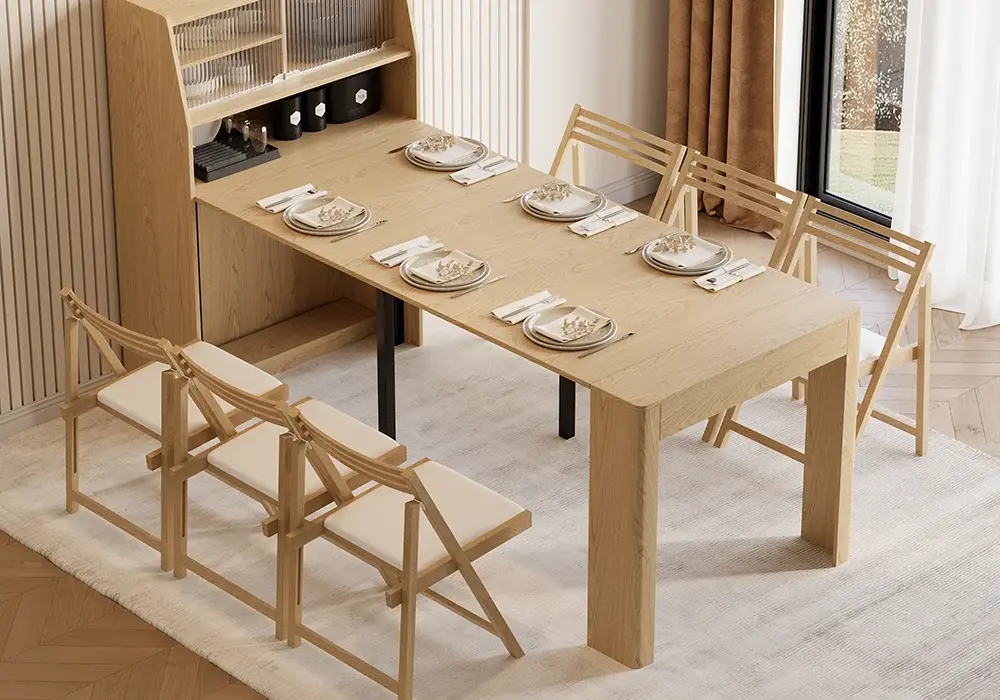
One of the most effective methods of getting rid of a stubborn stain is the sand the surface of the wood. This gets rid of the protective wax and, if you're dealing with a tannin stain, it'll remove the affected wood as well. Sanding is easier on large, flat furniture, like a farmhouse table with a natural finish.
After sanding, make sure to add wax to protect the wood.
You can also hire a professional to restore your wood furniture, including removing any pesky stains.
Hiding Water Stains
Another option is to simply hide the water stain. This can work as a stopgap method if you need to wait for a professional.
The obvious hiding method is to just put something on top of the stained surface, like a cloth or linen cover or even a lamp or ornament.
Or you can restain the wood itself, which can disguise the stain and make it blend in.
Preventing Future Water Stains
Ideally, you don't want to have to deal with another water stain in the future.
Many water stains are caused by cups and glasses being left on wood surfaces. This is a habit to get out of. Keep coasters handy for visitors and family members who might be less careful about the wood furniture.
If someone spills something on wood furniture, clean it up right away so it's less likely to soak in. Store wood furniture dry areas when it's not being used.
Make sure that your wood furniture is treated and coated in wax as this protects it from water. You can also buy wood furniture that has a glass top, which protects the wood but still allows you to see it clearly.
FAQs
What causes water stains on wooden furniture?
Light water stains are caused by trapped moisture in the protective coating of the wood. This makes it go cloudy. Dark water stains are caused by tannin from the wood itself discoloring the wood.
Do I need to replace water-stained wooden furniture?
No, you can get rid of most water stains yourself.
Do I need specialist products to remove water stains?
It depends on the water stains. Sometimes, you can remove them yourself without specialist products. But these products are effective and safe if you follow the instructions.
How can I stop water stains from forming?
Try to prevent water from getting onto your wood furniture at all. Clean up spills quickly and don't put glasses and cups directly onto the surface of the wood.